
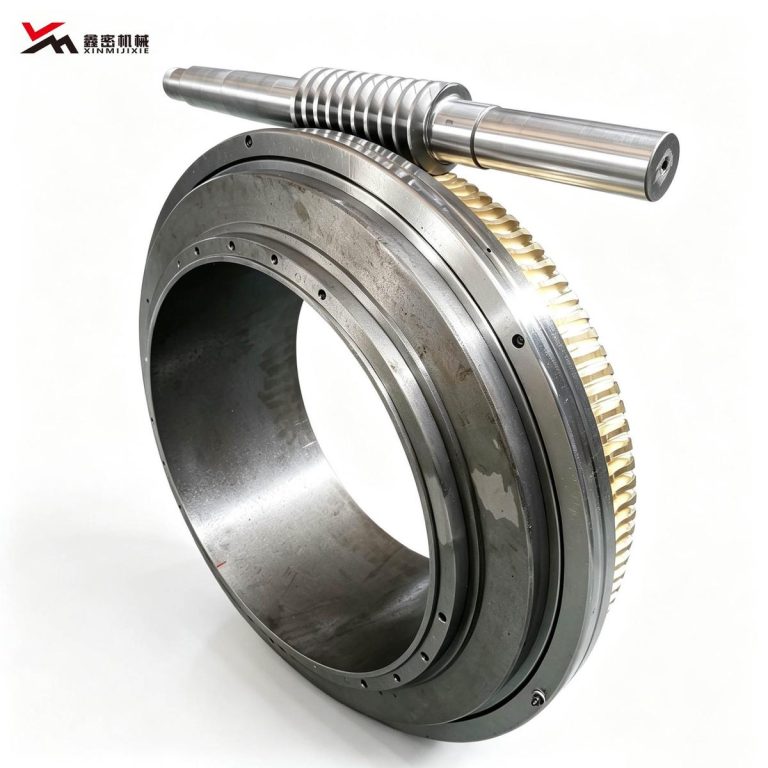
 Reducer Installation and Commissioning: Alignment, Lubrication and Trial Run
Installation quality governs later running behaviour. Misalignment or poor lubrication quickly leads to noise, heat or damage. This…
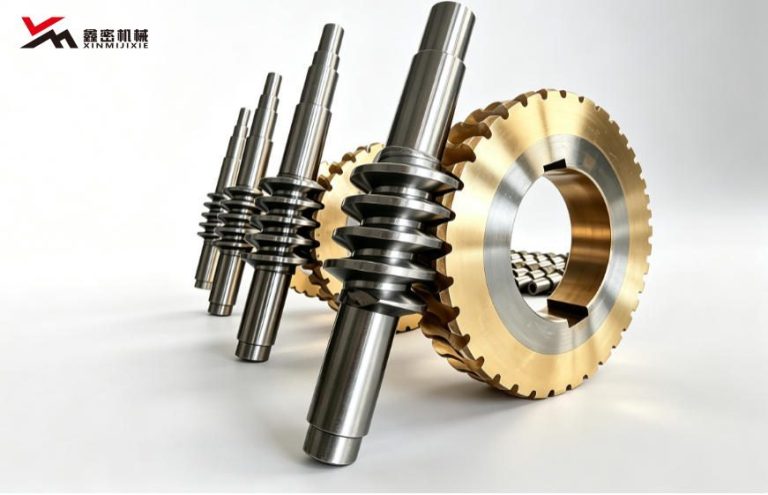 Plane Double-Enveloping Worm Reducers: Features and Suitable Applications
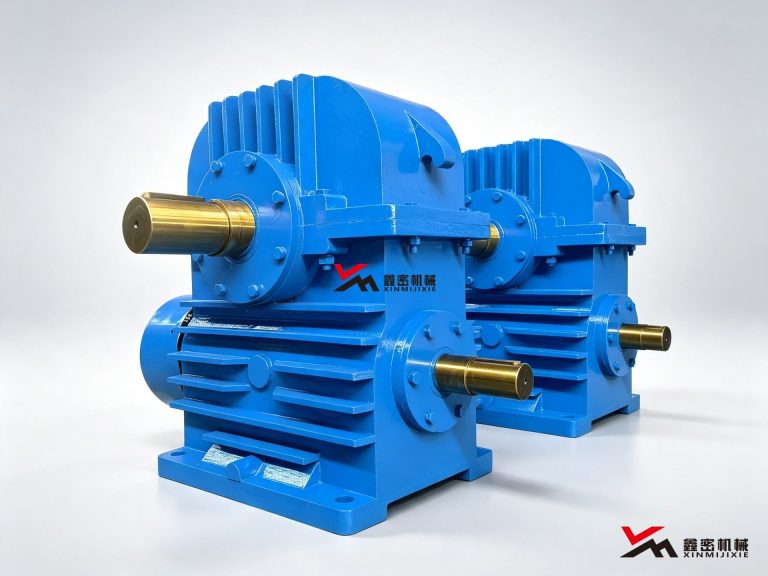
Plane double-enveloping worm reducers develop from conventional cylindrical worm drives, with markedly higher load capacity and efficiency. This…
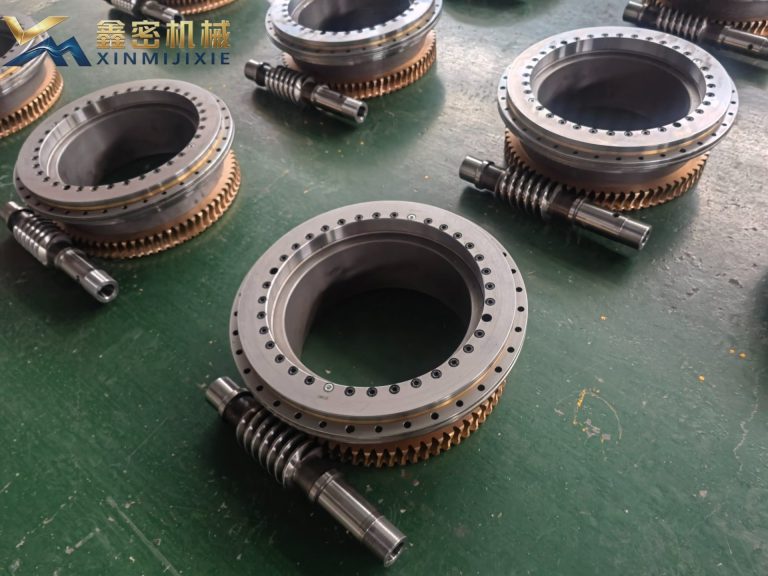 Worm Wheel Wear: Root Causes and Prevention
Flank wear is the most common failure mode in worm gear reducers. This article analyzes causes—from lubrication to…
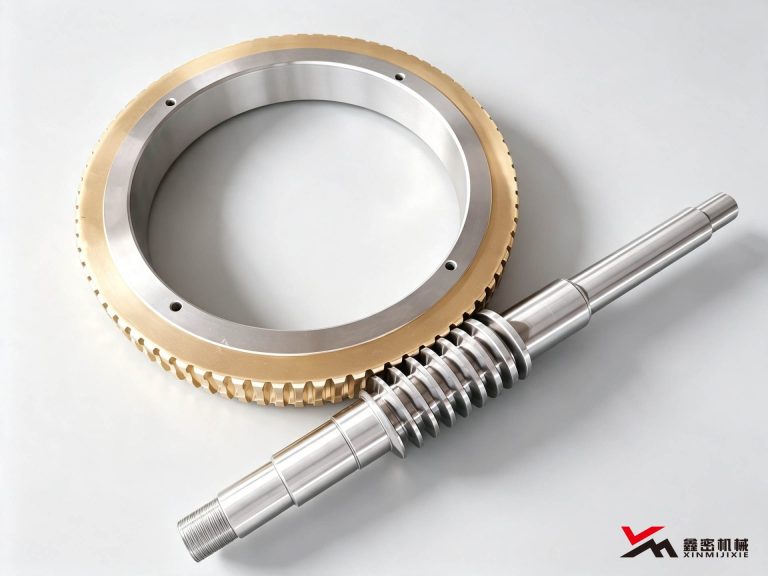 Circular-Arc Cylindrical Worm Gear Machining Essentials
Circular-arc (ZC) worm gears offer better mesh performance than standard Archimedean worms. This article covers machining requirements for…
 Screw Jack Selection and Operating Guidelines
Screw jacks (worm-driven linear actuators) lift, level, and position equipment. This article covers selection criteria and field operating…
 Worm Gear Reducer Lubricant Selection and Change Intervals
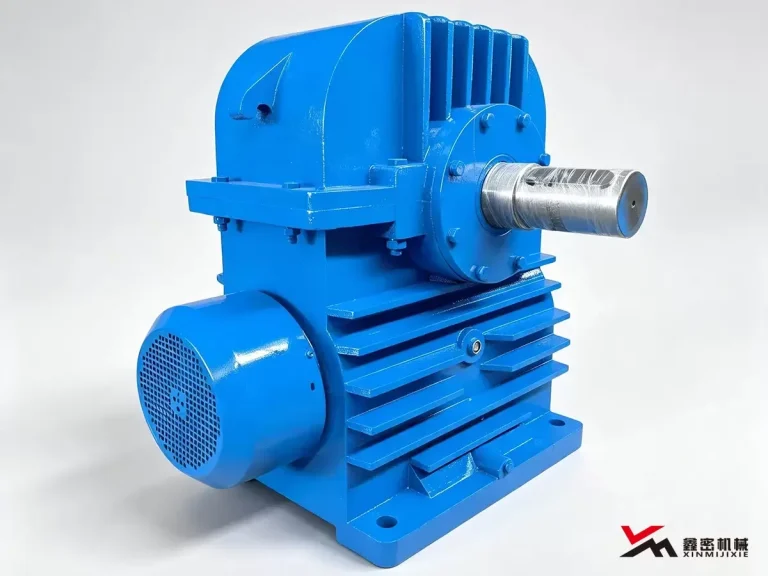
Lubrication is the most critical maintenance task for worm gear reducers. Wrong grease or delayed oil changes accelerate…
Dual-Lead vs Standard Worms: Differences and Selection
Choosing between standard and dual-lead worms affects cost, backlash control, and service life. This article compares structure, performance,…
Worm Gear Drive Noise: Causes and Solutions
Excessive noise from worm gear reducers is a common field issue. Noise affects the work environment and often…
Dual-Lead Worm Backlash Adjustment: From 0.12 mm Down to 0.03 mm
The biggest advantage of a dual-lead worm is that wear can be compensated by axial shift to restore…
How to Tell When a Worm Gear Set Needs Replacement
Do not wait until teeth break or the drive seizes—by then the machine is already down. Judging wear…