
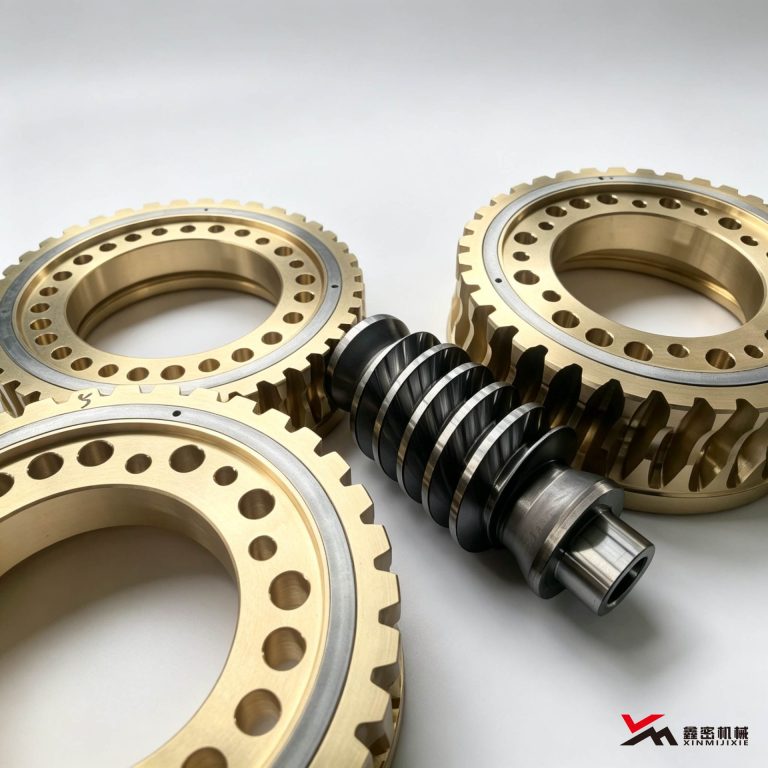
 Bronze Dual-Lead Worms: Applications and Selection Notes
Bronze dual-lead worms combine adjustable backlash with copper alloy self-lubrication and corrosion resistance—suited to light, low-speed, intermittent duty…
 Scraper Drive Worm Gear Reducers for Water Treatment
Scraper mechanisms in clarifiers run 24/7 at low speed under corrosive, wet conditions with shock loads. Plane-enveloped worm…
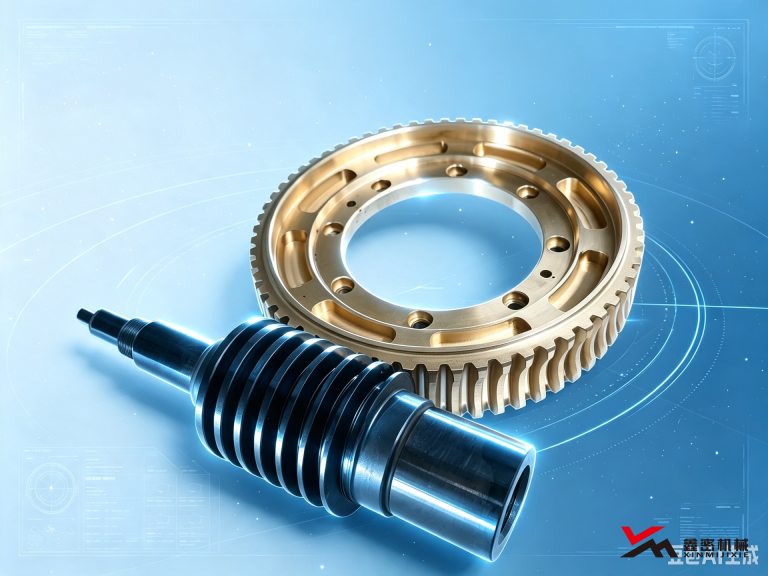 Worm Gear Reducer Selection Guide: Parameters and Common Mistakes
Wrong selection causes overheating, short life, and overload failure. This guide covers core calculation parameters, frequent mistakes, and…
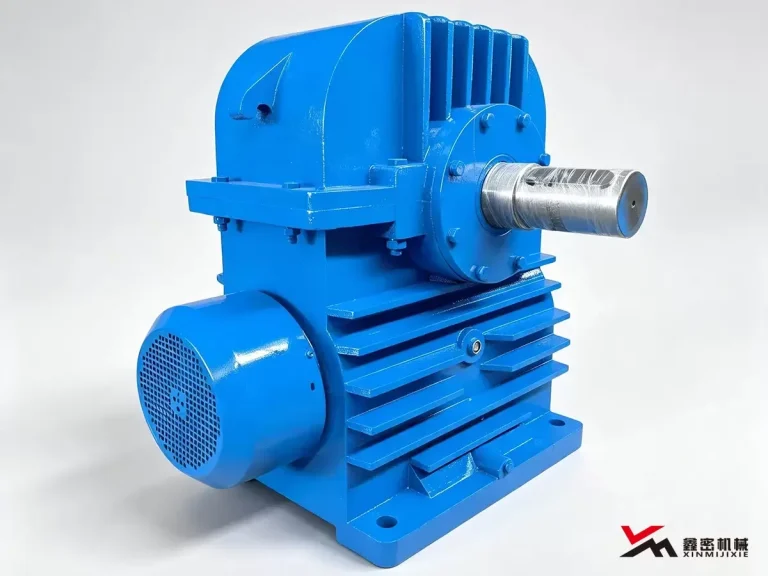 Plane-Enveloped vs Standard Worm Gear Reducers
Both are worm drives, but plane-enveloped toroidal and standard cylindrical reducers differ significantly in mesh geometry, load capacity,…
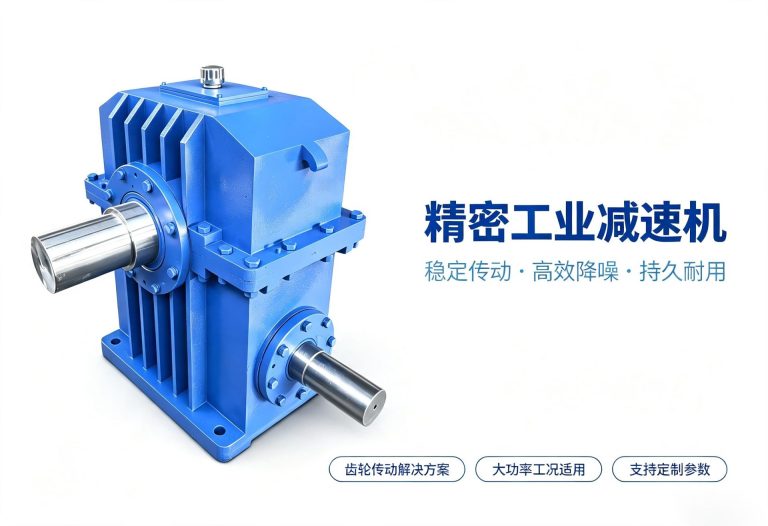 Worm Gear Reducer Torque Formulas and Selection Method
In reducer selection, torque calculation and ratio matching are the core steps: undersizing causes overload wear and tooth…
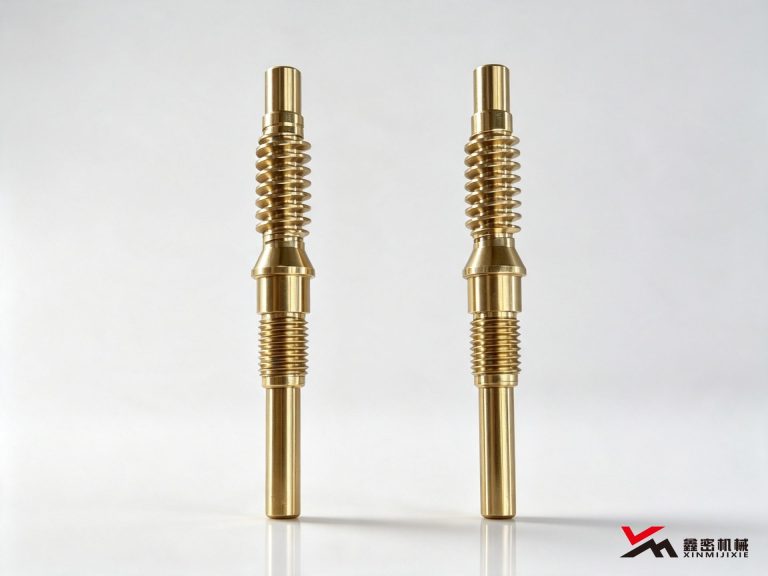 How to Choose Worm Wheel Material: Tin Bronze vs Aluminum Bronze
The worm wheel is the primary load-bearing part of a worm gear reducer. Its alloy choice drives capacity,…
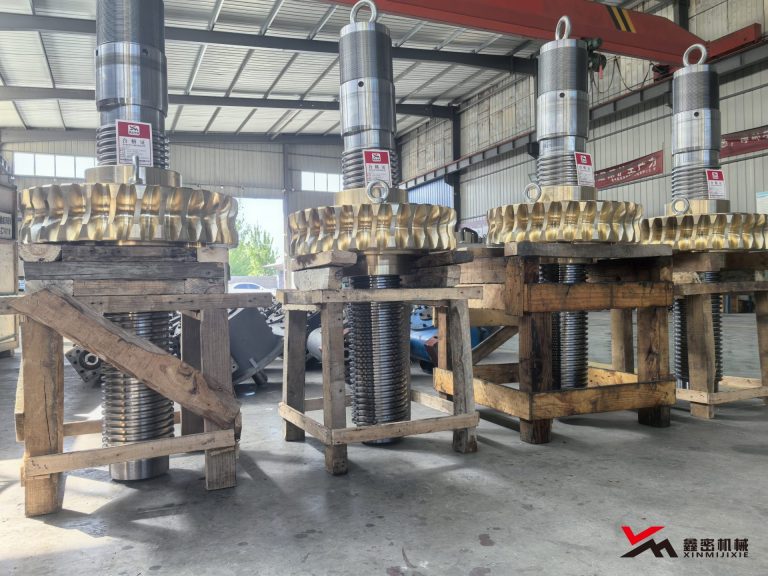 Rolling Mill Screw-Down Drives: Plane-Enveloped Worm Solutions
Mill screw-down mechanisms need high torque, frequent reversing, and shock tolerance in hot, dusty conditions. Plane-enveloped worm reducers…
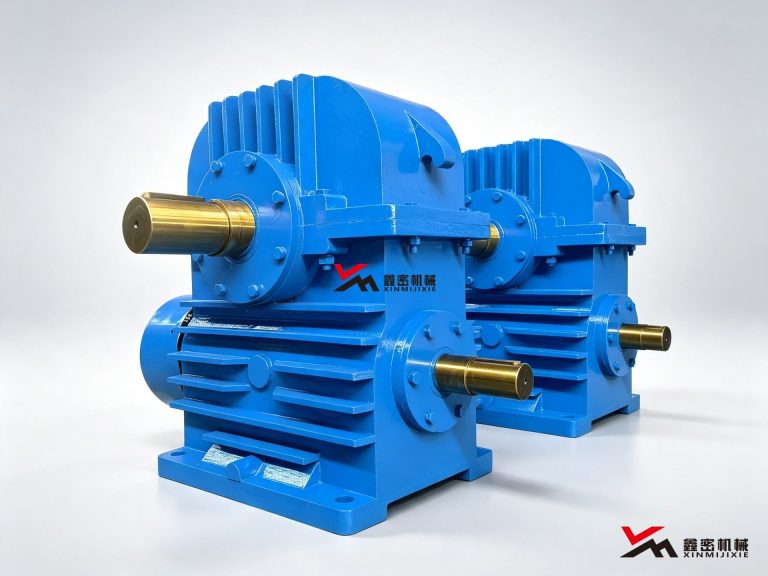 Worm Gear Reducer Installation, Commissioning, and Alignment
Service life and stability depend heavily on correct installation. Early noise, leakage, wear, and vibration often trace to…
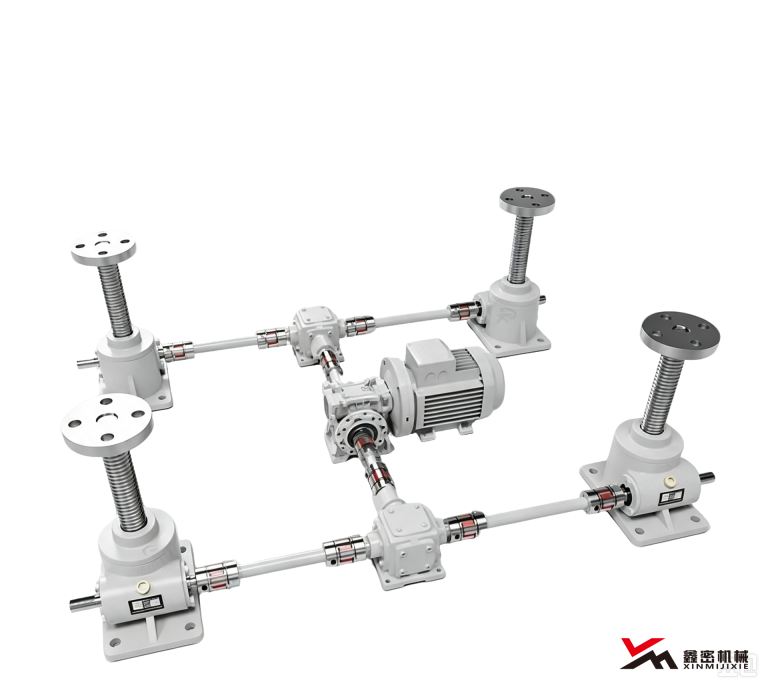 Screw Jack Selection Pitfalls and Custom Application Scenarios
Screw jack durability depends on internal transmission quality and duty matching—not catalog tonnage alone. This article covers common…
Industrial Worm Gear Reducer Selection: Heavy Load and Continuous Duty
Heat, slip, seizure, and short life often trace to mismatched selection—not product defect. This article covers load, ratio,…