
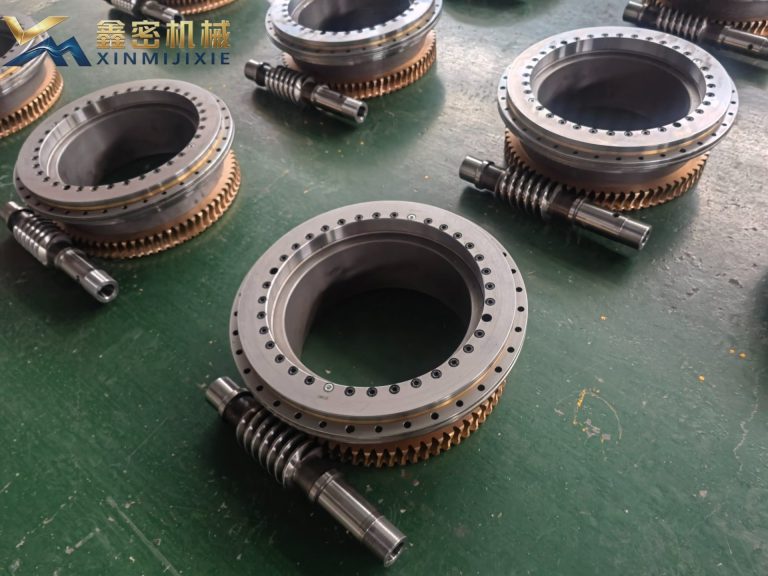
 Precision Worm Gear Manufacturing Process and Quality Control
Accuracy, wear resistance, and service life depend on process route and quality control. This article breaks down standard…
Non-Standard Worm Gear Replication: Replacing Damaged Legacy Parts
When teeth break or pit severely and OEM supply is gone, reverse measurement and matched-pair remanufacturing restores the…
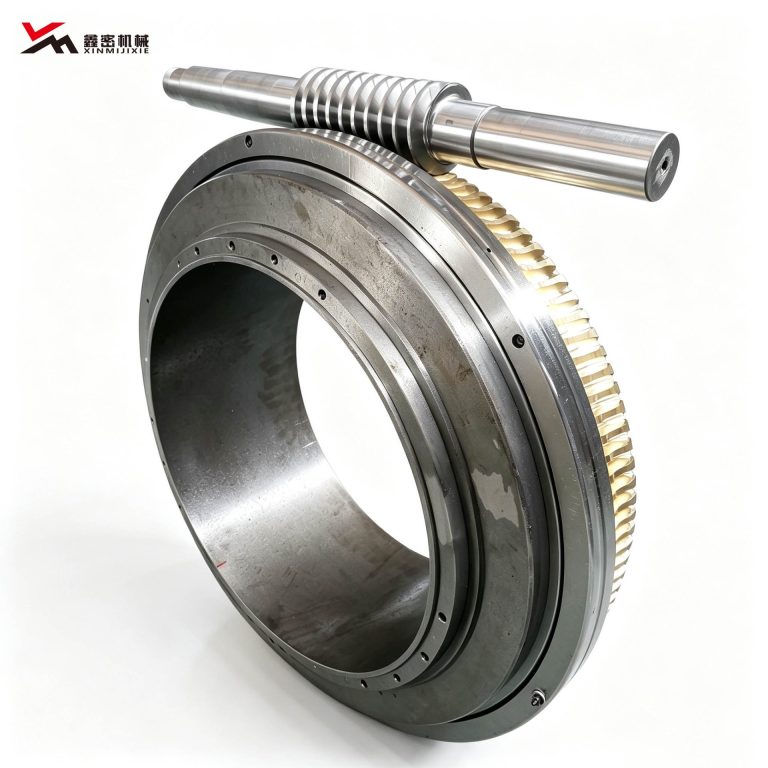 Standard Worm Gears Won’t Fit or Last? Custom Manufacturing Scenarios
Standard worm gears often fail to fit, align, or endure in automation upgrades and special equipment. This article…
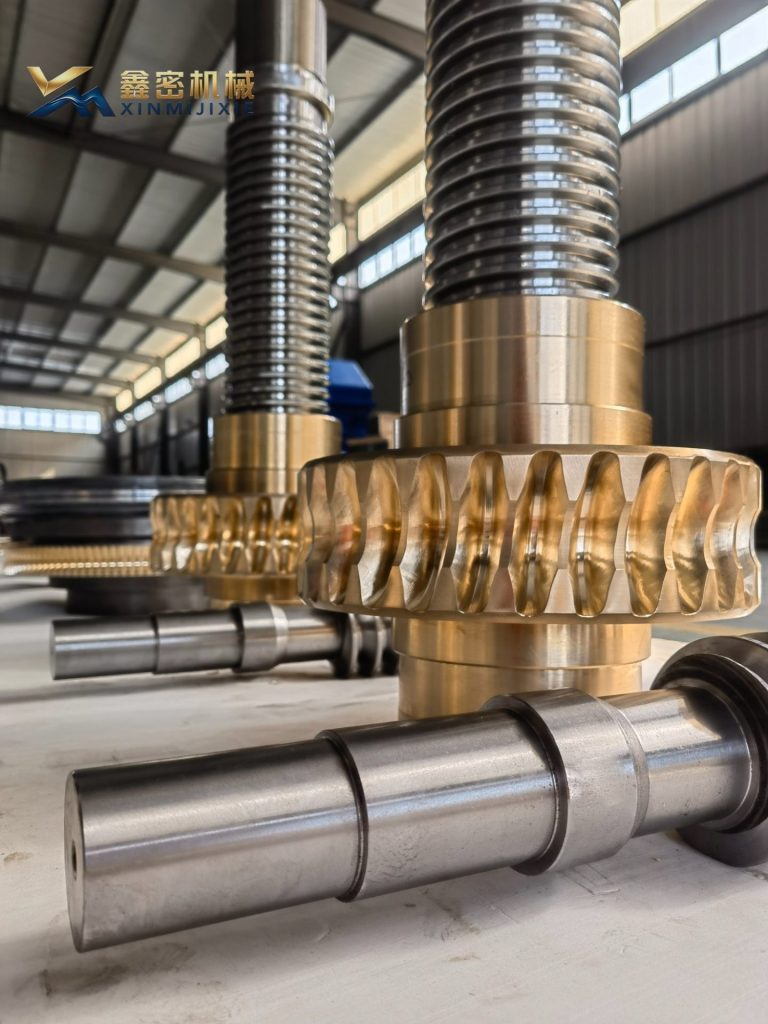 Reverse Engineering Worm Gears: No Drawings, Damaged Parts, Obsolete OEM
When OEM parts are discontinued and drawings are lost, reverse engineering from worn or broken samples restores equipment…
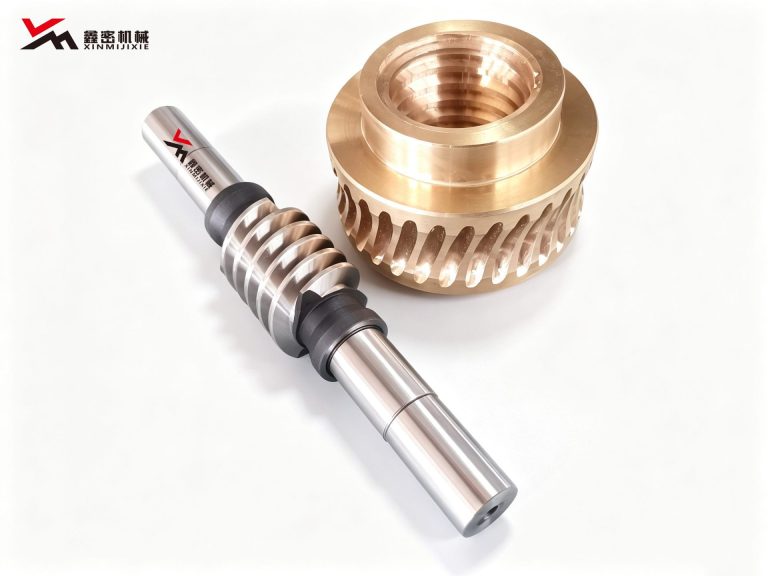 Custom Worm Gear Manufacturing: Process Flow and Selection Points
When standard worm gears cannot meet speed, backlash, space, or material requirements, a custom workflow is required. This…
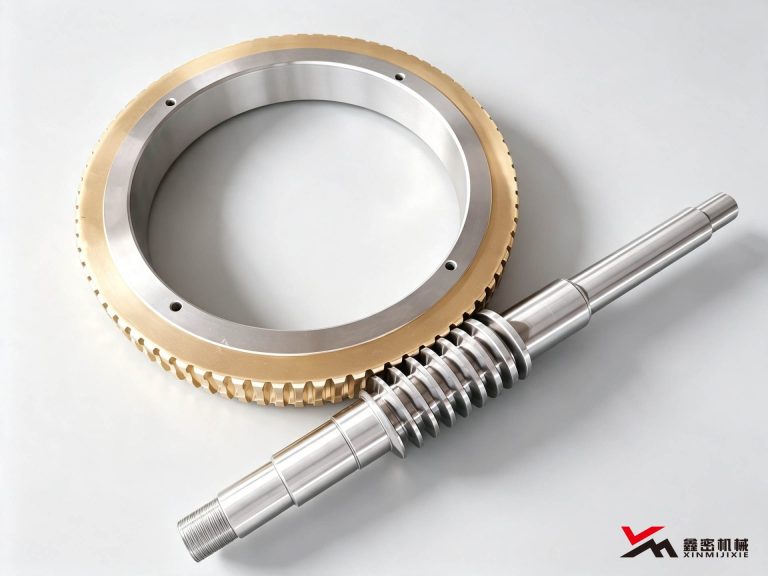 Dual-Lead Worm Backlash Adjustment: Method and Applications
In precision drives, wear increases mesh backlash and degrades positioning accuracy. Dual-lead worms allow backlash restoration through axial…
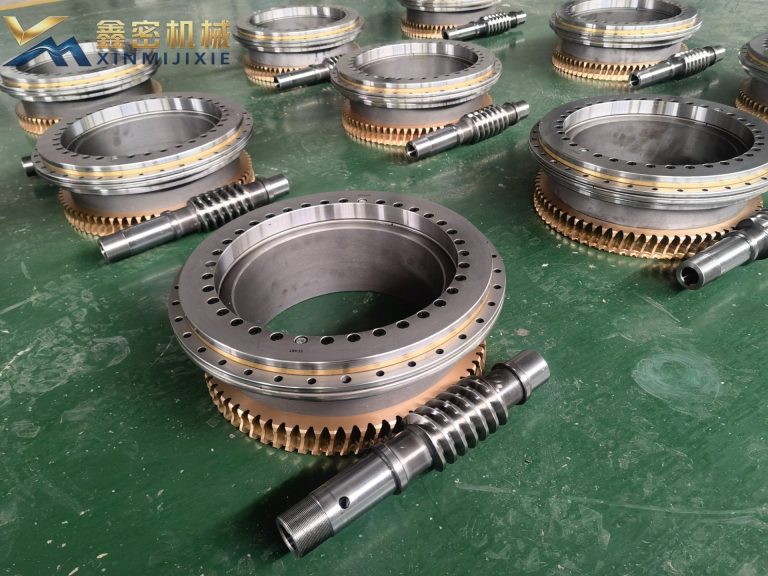 Worm Gear Reducer Fault Diagnosis and Troubleshooting
Worm gear reducers may overheat, make noise, leak oil, or wear prematurely. This reference guide organizes common faults,…
Tin Bronze Worm Wheel Material Guide: Which Copper for Which Duty
Worm-wheel material choice drives capacity, wear life and service life of the mesh. Common industrial alloys are tin…
Worm Quenching Process Essentials: Flank Hardness and Grinding Allowance
Worms are typically made from alloy or medium-carbon steel; surface hardening raises flank hardness, then grinding brings the…
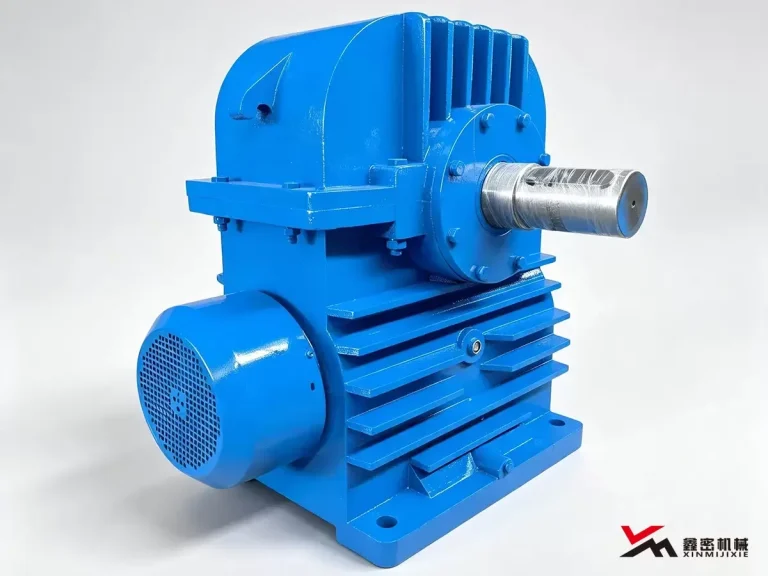 Worm Gear Ratio Calculation Methods and Selection Steps
Ratio is the most basic selection parameter for a worm gear reducer. If the ratio is wrong, speed…