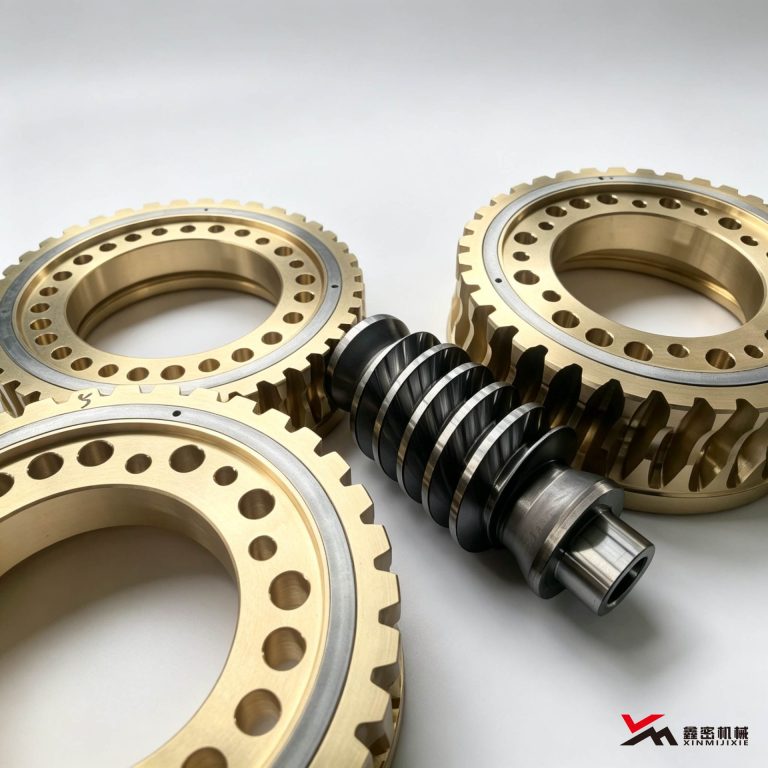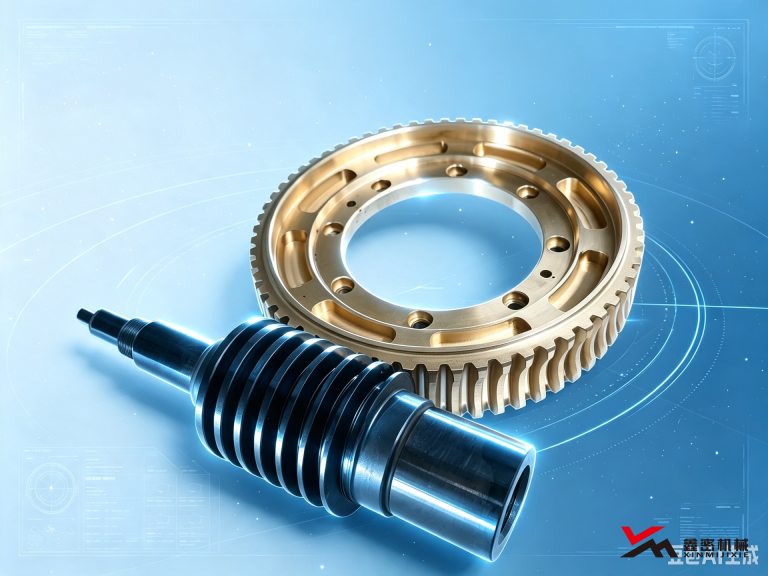
The transmission ratio of a worm gear reducer is the most basic parameter in selection. If the ratio is wrong, the equipment will not reach the required speed and torque. This article introduces calculation methods and selection steps.
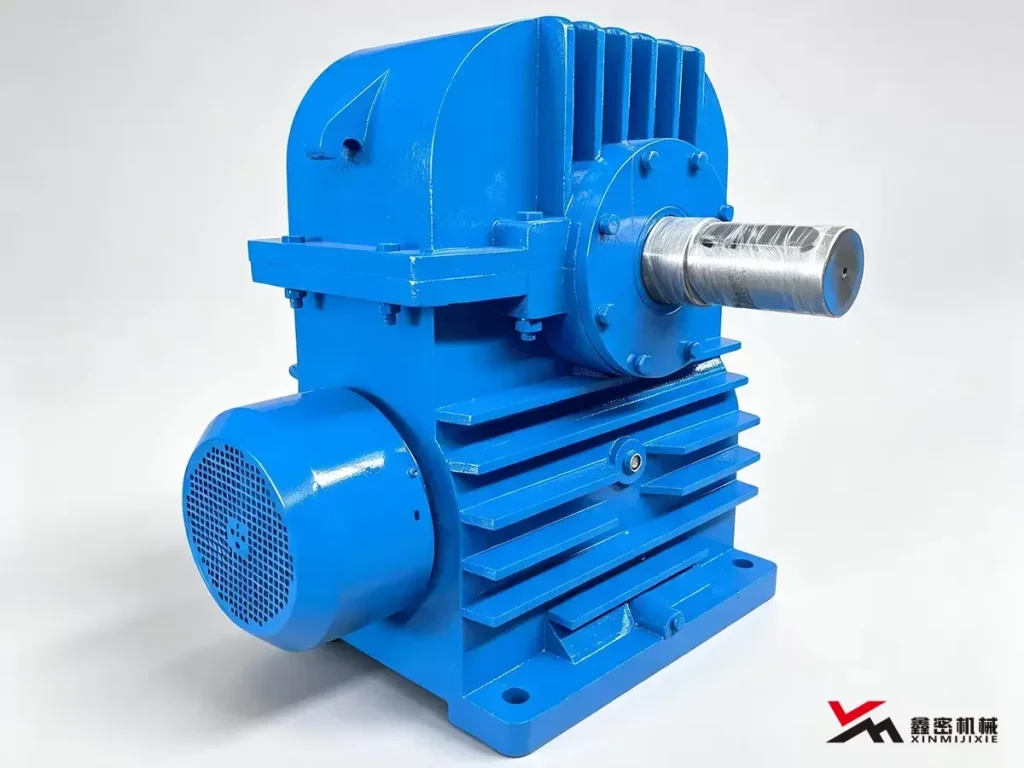
1. How to calculate the ratio
Worm gear ratio = number of worm-wheel teeth ÷ number of worm starts (threads).
Example: single-start worm (starts = 1), worm wheel with 40 teeth → ratio 40:1. At 1450 rpm input, output is 1450÷40≈36 rpm.
Common worm starts: single (1) and double (2). Single-start gives a larger ratio but lower efficiency; double-start gives a smaller ratio but higher efficiency.
2. Selection steps
1. Confirm the required output speed and output torque.
2. Confirm input speed (typically 1450 rpm for motors).
3. Calculate required ratio = input speed ÷ output speed.
4. Choose a worm-start and wheel-tooth combination that matches the ratio.
5. Check that output torque meets the load.
6. Confirm mounting dimensions and centre distance.
3. Efficiency
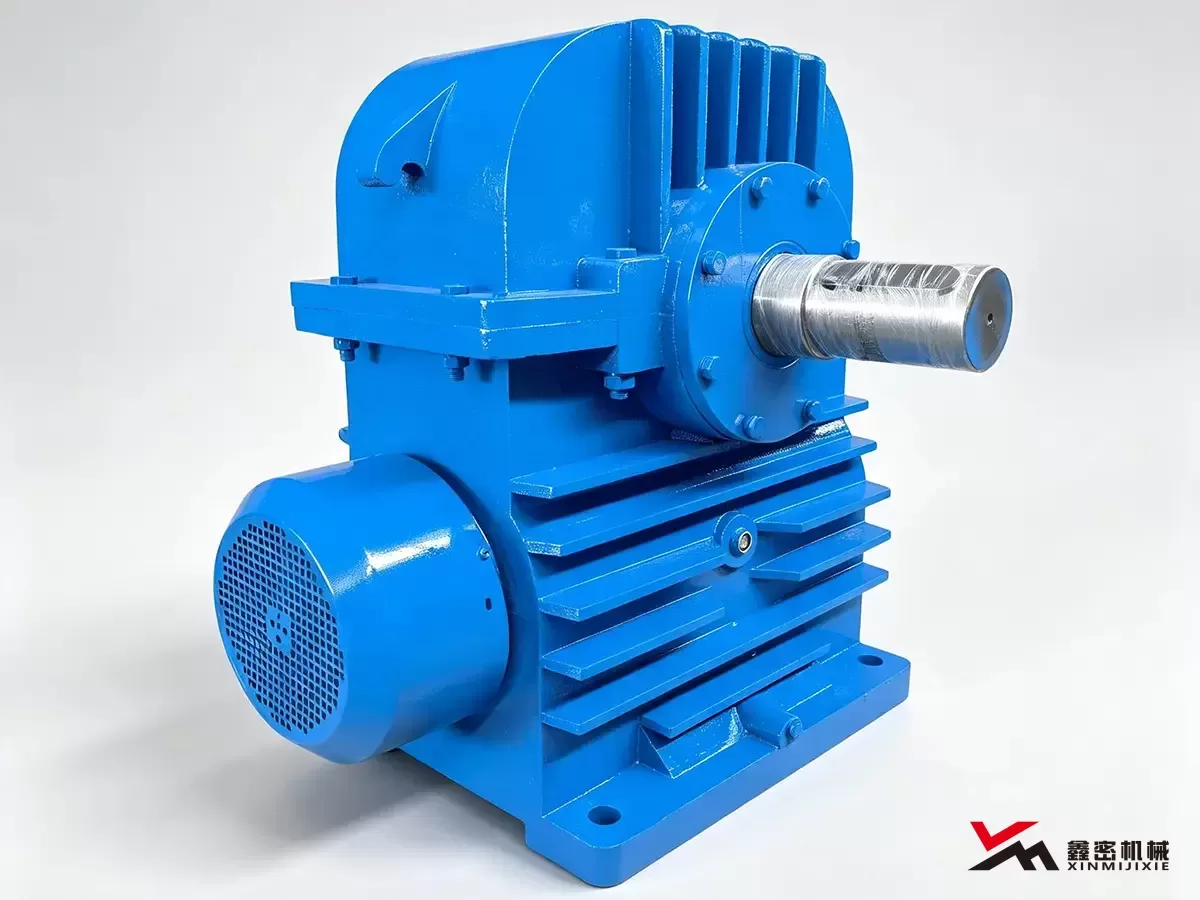
Worm drives are less efficient than gear drives. Single-start worms are typically about 50–70% efficient; double-start about 70–85%. When selecting, include efficiency loss—do not size output torque from the nominal ratio alone.
Where efficiency matters (long continuous duty, serious heating), prefer double-start or multi-start worms.
4. Self-locking
A single-start worm with a very small lead angle can be self-locking: the wheel cannot drive the worm in reverse. That is useful on anti-runback equipment such as hoists, but self-locking also means lower efficiency.
Dezhou Xinmi Machinery helps customers calculate ratio and torque from the duty cycle and recommend suitable worm-gear parameters.