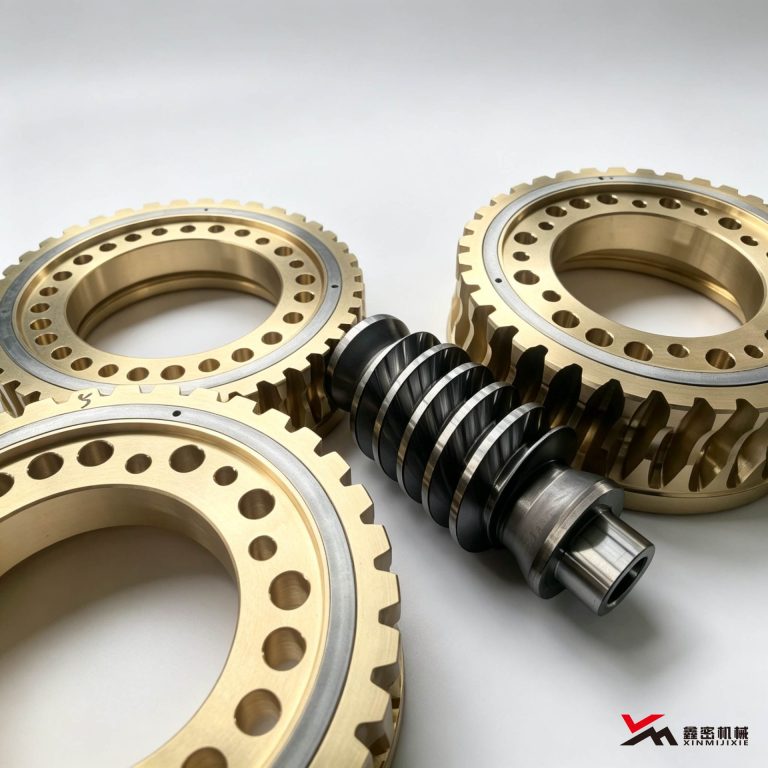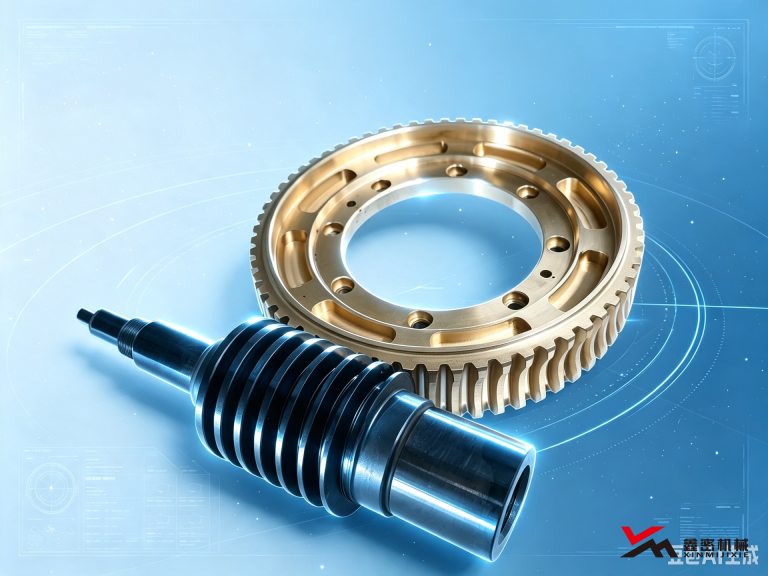
When selecting worm gears, the choice between standard and dual-lead worms involves significant cost and performance trade-offs. This article compares the differences.
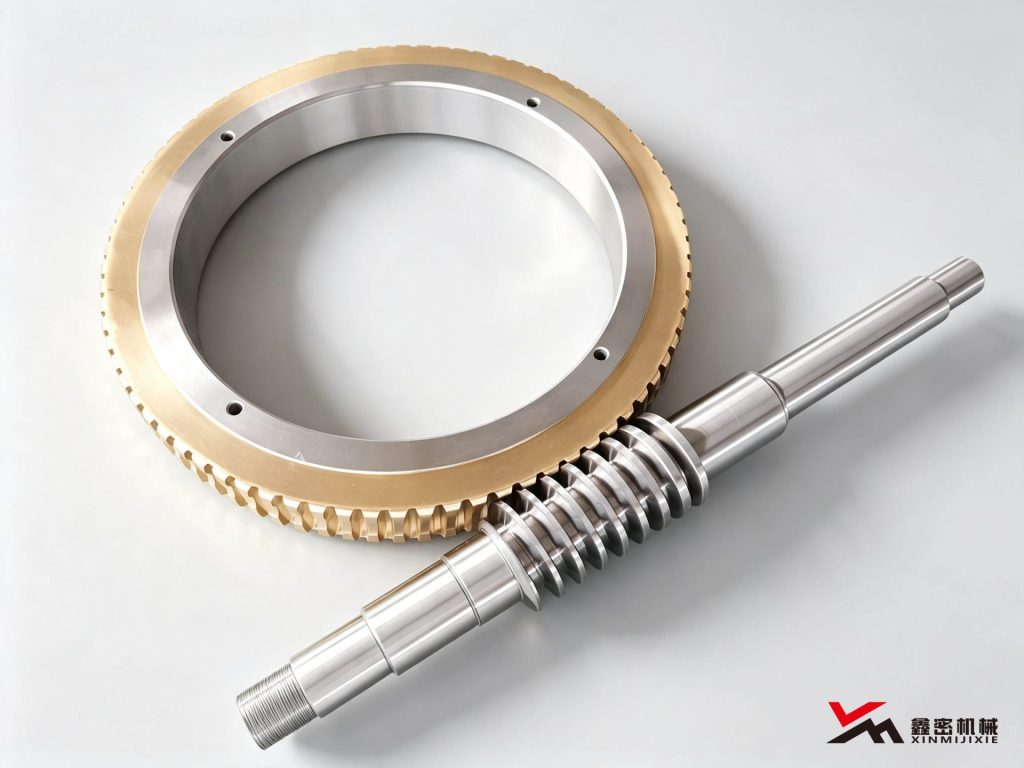
1. Structural Difference
Standard worm: Constant tooth thickness along the axis; left and right flanks share the same lead. Mesh backlash is fixed—once wear increases clearance, it cannot be adjusted.
Dual-lead worm: Left and right flanks have different leads; tooth thickness varies axially. Axial movement changes mesh backlash, allowing wear compensation.
2. Performance Comparison
- Backlash adjustment: Standard—fixed; dual-lead—adjustable.
- Service life: Dual-lead sets can be readjusted after wear.
- Cost: Dual-lead machining is more complex—typically 30–50% higher.
- Precision: Dual-lead designs achieve smaller backlash for positioning applications.

3. When to Choose Dual-Lead
Recommended for:
- Precision positioning with strict backlash limits
- Continuous duty where wear increases clearance over time
- Difficult disassembly—extend life through adjustment
- Automation lines where downtime is costly
Standard worms suffice for light, intermittent duty with low precision requirements and easy replacement access.
4. Important Notes
Dual-lead worms and wheels must be machined as matched pairs—not interchangeable. Replace as a complete set. Adjust backlash in small increments; avoid large axial moves at once.
Dezhou Xinmi Machinery specializes in dual-lead worm gear sets from drawings or samples.