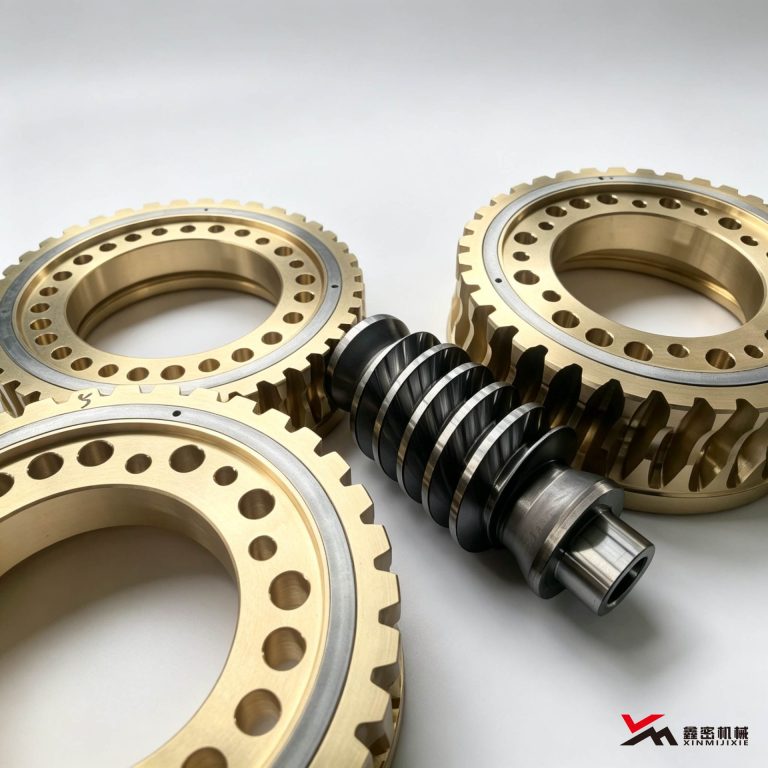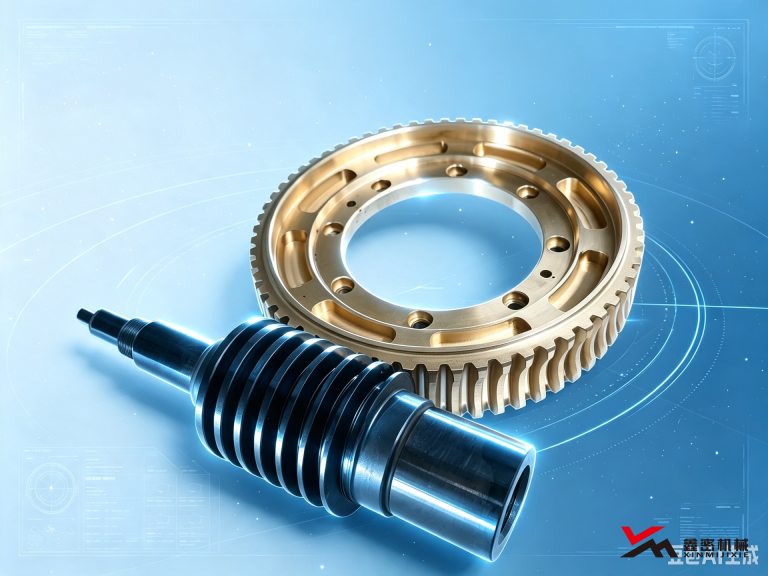
In reducer selection, torque calculation and ratio matching are the core steps: undersizing causes overload wear and tooth breakage; oversizing wastes cost. Mastering torque formulas and service-factor correction is the basis for choosing the right reducer. This article organizes the calculation and selection framework for worm gear reducers for technical and purchasing staff.
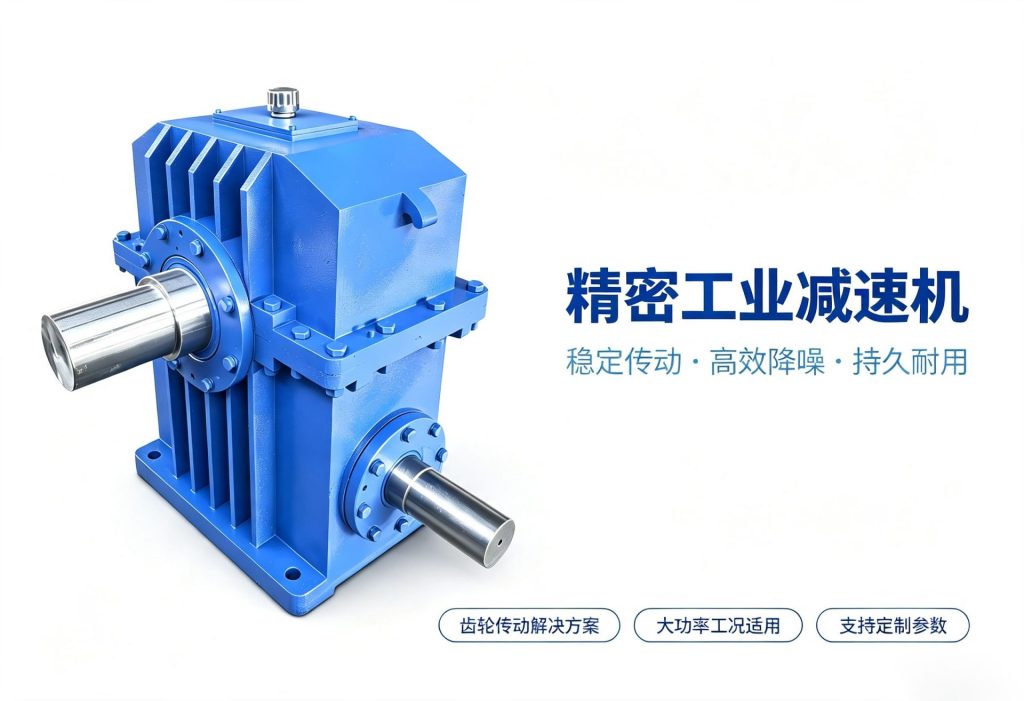
1. Core calculation formulas
1.1 Ratio calculation
The reduction ratio is the ratio of input speed to output speed; it determines output speed and torque amplification:
Ratio i = input speed n₁ ÷ output speed n₂
Single-stage worm gear reducers commonly cover 10:1–100:1. Prefer standard ratios (10, 15, 20, 25, 30, 40, 50, 60, 80). When the calculated value falls between two standards, choose the larger ratio to leave speed margin.
1.2 Output torque calculation
Output torque is set by motor torque, ratio and transmission efficiency:
Output torque T₂ = motor torque T₁ × ratio i × efficiency η
Motor torque from power:
Motor torque T₁ (N·m) = 9550 × motor power P (kW) ÷ input speed n₁ (r/min)
Worm-gear efficiency is typically 0.6–0.85; larger ratios mean lower efficiency. Plane double-enveloping designs can reach 0.85–0.9, higher than ordinary cylindrical worms.
1.3 Input power check
When required load output torque and speed are known, back-calculate motor power:
Input power P (kW) = output torque T₂ (N·m) × output speed n₂ (r/min) ÷ (9550 × efficiency η)
1.4 Service-factor correction
Catalogue rated torque is for ideal smooth duty. In practice multiply by a service factor based on load character; the corrected value is the selection basis:
Selection torque = actual output torque T₂ × service factor K
Reference service factors:
- Smooth load (fans, pumps): ≤10 h/day → 1.0; 24 h continuous → 1.25
- Moderate shock (conveyors, general mixers): ≤10 h/day → 1.25; 24 h continuous → 1.5
- Heavy shock (sludge scrapers, rolling mills, mine hoists): ≤10 h/day → 1.5; 24 h continuous → 1.8–2.0
2. Complete selection steps
- Clarify duty parameters: load weight, required output speed, daily running hours, start–stop frequency, shock character and environment.
- Calculate theoretical values: required output torque, ratio and input power from the formulas.
- Apply service factor: multiply by K for the load character to get the selection baseline.
- Pre-select model: from the catalogue, choose a unit whose rated torque exceeds the corrected value.
- Thermal power check: for 24-hour continuous duty, check thermal rating; add a cooling fan if needed.
- Confirm mounting interfaces: mounting style, input/output shaft diameters and flange sizes must match the machine.
3. Common selection mistakes
- Using rated torque without a service factor: long-term overload sharply shortens life; heavy-shock duty needs adequate margin.
- Ignoring efficiency: worm drives are less efficient than gear reducers; omitting η understates real output torque.
- Looking only at ratio, not checking speed: verify output speed against the motor’s actual speed.
- No thermal check for continuous duty: thermal power often limits before mechanical power; poor cooling raises oil temperature and wear.
4. FAQ
Q: What is typical worm gear reducer efficiency?
A: Ordinary cylindrical single-stage about 0.6–0.8; larger ratios are lower. Plane double-enveloping globoidal worms about 0.8–0.9, with a clearer advantage in heavy continuous duty.
Q: Should the service factor be larger or smaller?
A: Prefer larger. A higher factor only raises initial cost slightly; a low factor risks overload damage and downtime far costlier than the purchase difference.
Q: Is higher output torque always better?
A: No. Match what the duty needs. Over-sizing raises purchase cost, can reduce transmission efficiency and adds machine weight.
For selection checks against a specific machine duty, contact the Dezhou Xinmi Machinery technical team (Tel. 13953486612) for parameter matching.