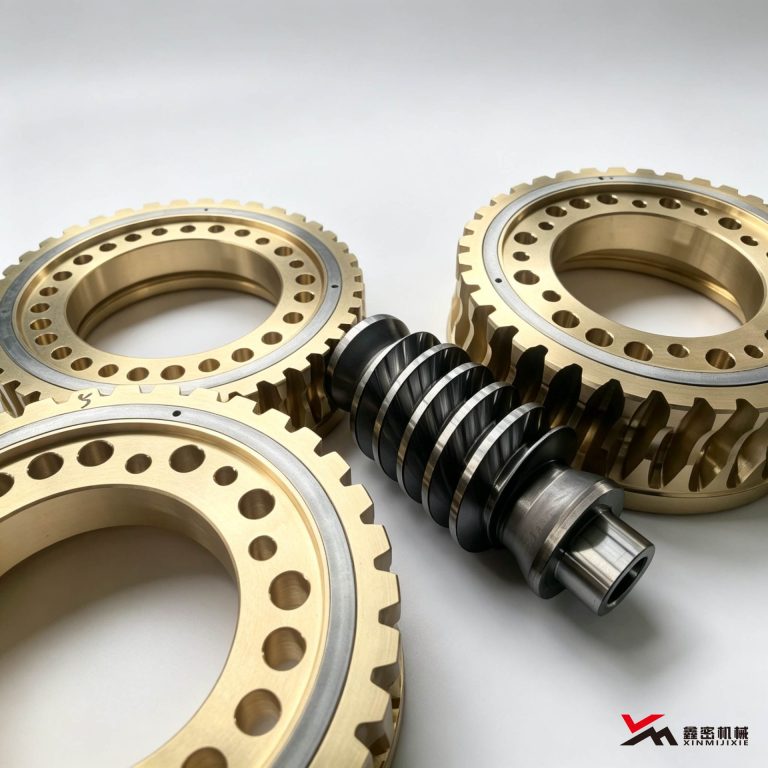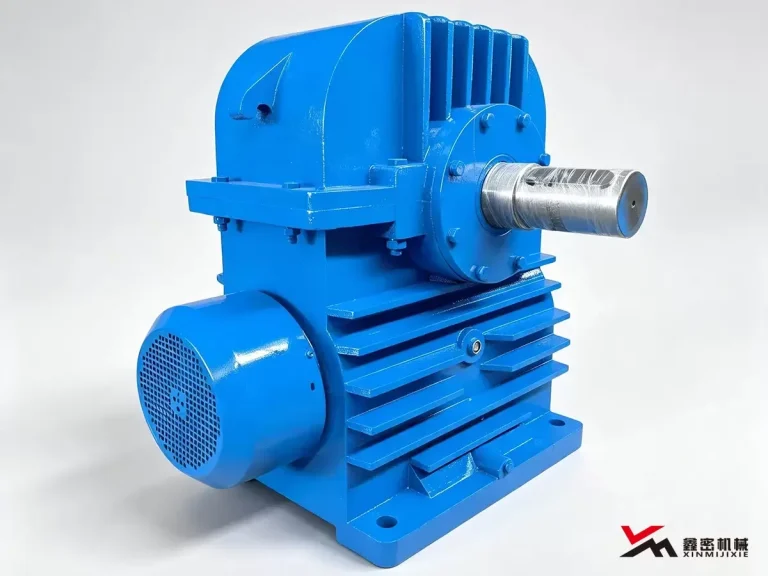
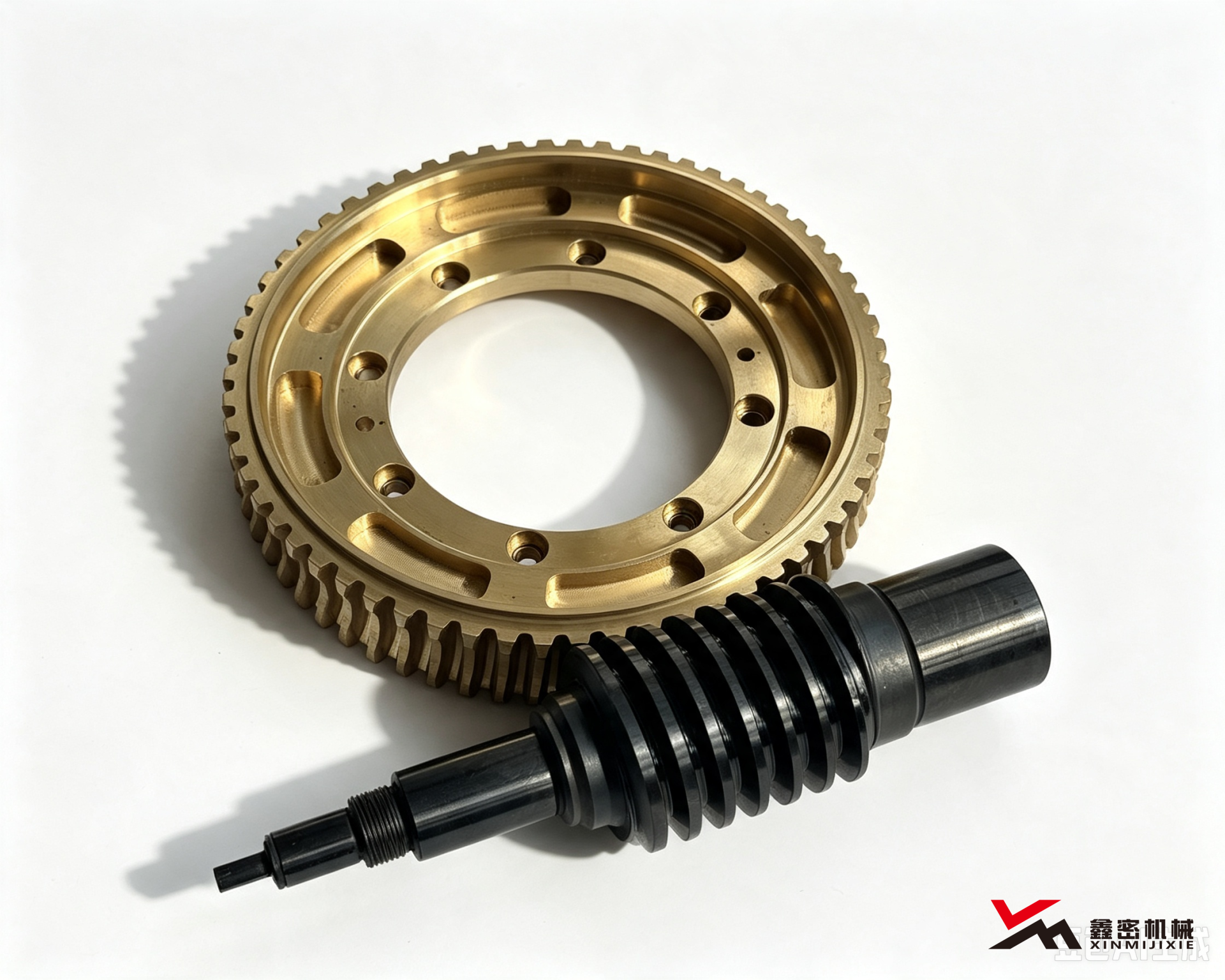
Worm gear reducers are compact, high-ratio, smooth, and self-locking—widely used across drive systems. Poor selection causes severe heating, short life, and overload damage. This guide covers core parameters, common mistakes, and application-specific direction.
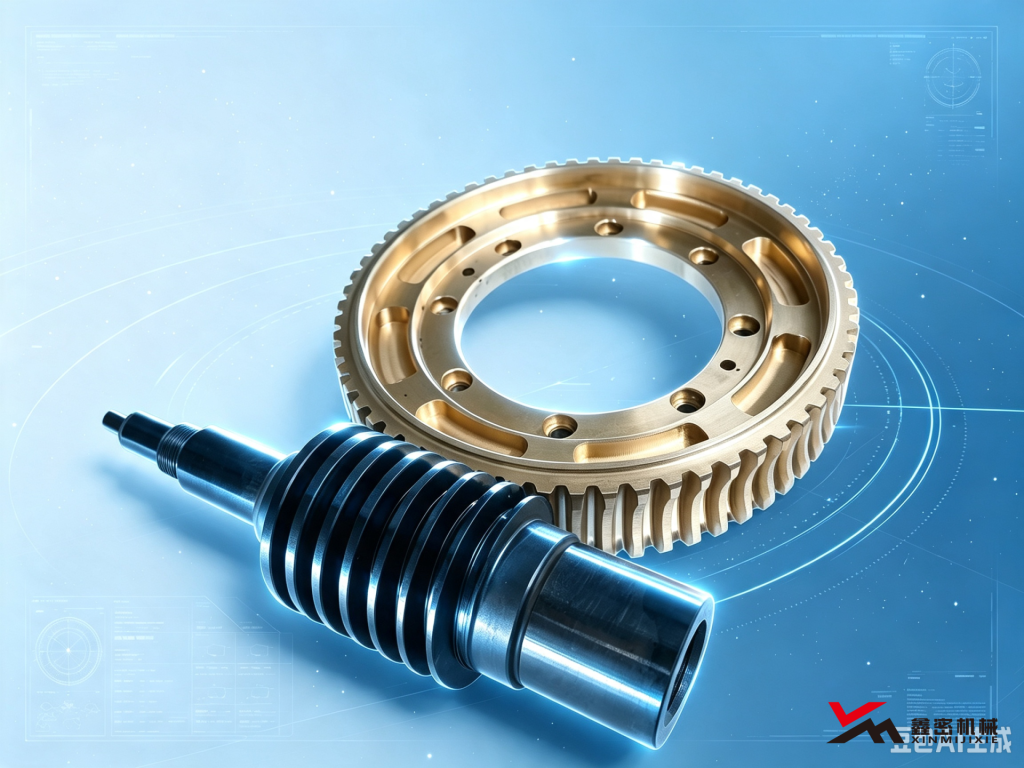
1. Core Parameters and Calculations
- Reduction ratio: Input speed ÷ output speed. Prefer standard ratios (10, 15, 20, 25, 30, 40, 50, 60, 80, 100); non-standard ratios reduce efficiency.
- Output torque: 9550 × motor power (kW) × service factor ÷ output speed (r/min). Rated torque must exceed calculated value with 20–30% margin for shock and overload.
- Service factor: Smooth load 1.0–1.2; moderate shock 1.2–1.5; heavy shock/frequent reversing 1.5–2.0; increase further for scrapers and mixers.
- Mounting and environment: Horizontal/vertical, flange/base mount, temperature, humidity, corrosion—select lubrication, sealing, and protective treatments accordingly.
2. Common Selection Mistakes
- Rated torque only, ignoring shock: Start/stop and jamming produce impact torque—apply service factor and margin.
- Higher ratio is always better: Larger ratios reduce efficiency and increase heat—consider two-stage drives for very high ratios.
- Over-specifying precision: General conveying and mixing do not need low-backlash precision units—match duty.
- Ignoring heat and runtime: 8-hour vs 24-hour duty differ greatly—verify thermal rating; add cooling fans when needed.
3. Selection by Application
- Precision (medical, CNC, automation): Dual-lead precision units—focus on backlash, noise, positioning accuracy.
- Heavy industry (metallurgy, mining, mixing): Plane-enveloped types—focus on load capacity, shock tolerance, cooling.
- Water treatment (scrapers, aerators): Sealing, corrosion protection, continuous stability.
- Lifting and hoisting: Self-lock reliability, braking safety, reverse load capacity.
FAQ
Q: How to select without full parameters? A: Provide equipment type, load weight, operating speed, mounting, and daily runtime—engineering can calculate a match. Dezhou Xinmi Machinery offers free duty assessment.
Q: Why is my reducer running hot? A: Common causes: undersized selection, poor cooling, wrong lubricant, excessive input speed—verify duty match first.
Q: Do all worm gear reducers self-lock? A: Single-stage worms with lead angle below friction angle self-lock reliably at high ratios. Low-ratio and toroidal types may have weaker self-locking—add brakes for lifting.
For selection calculations and duty assessment, contact Dezhou Xinmi Machinery at 13953486612.